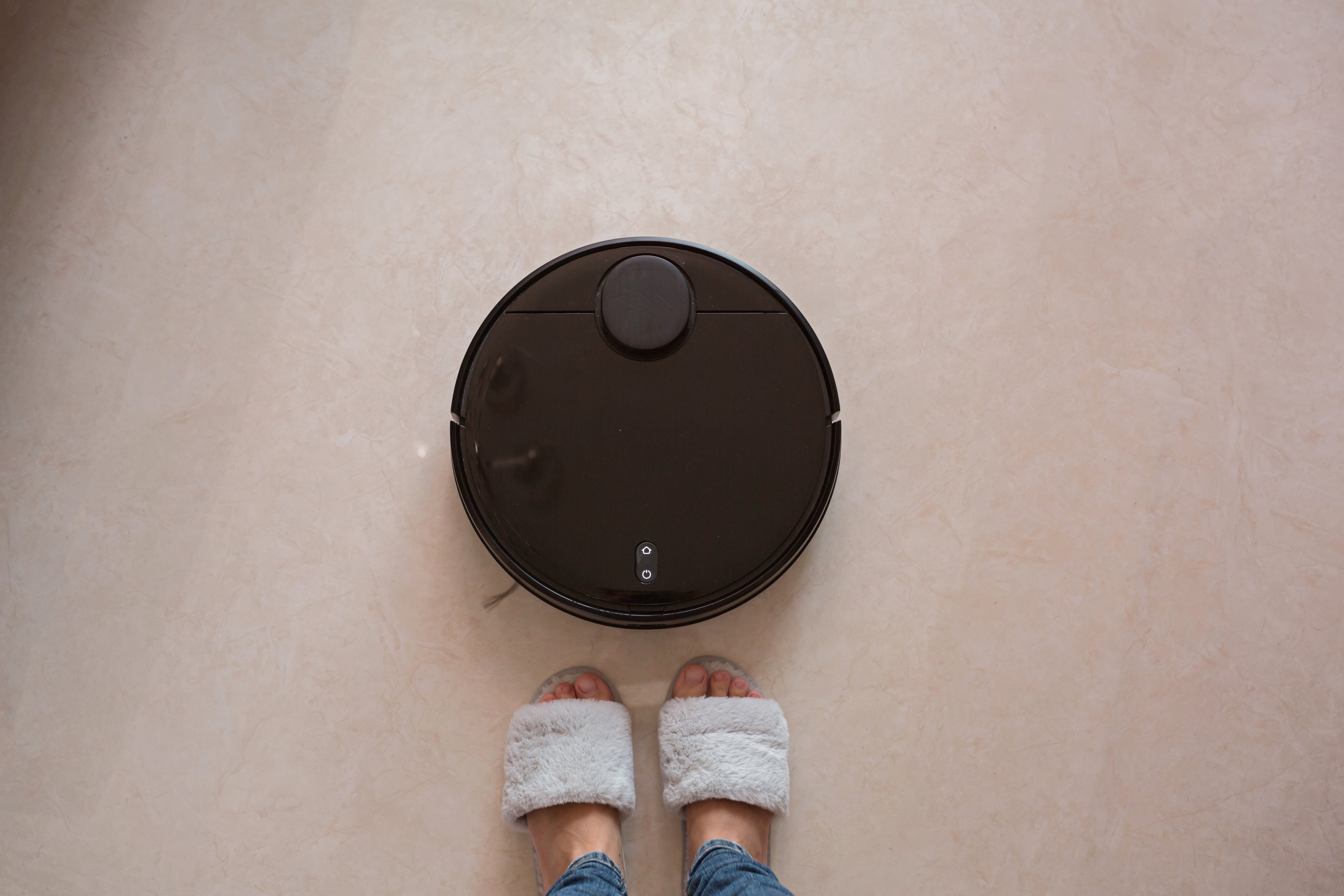
7 Simple Secrets To Totally Refreshing Your Robot Vacuum Cleaner
The Rise of Robot Vacuum Cleaners in Industrial Settings
In current years, the landscape of industrial cleaning has actually seen a substantial transformation with the introduction of robot vacuum. These automated gadgets are not just a novelty for homes; they have gained traction in storage facilities, making plants, and other industrial environments. This post checks out the performance, advantages, and considerations of robot vacuum within the industrial context, while addressing some regularly asked questions.
What are Robot Vacuum Cleaners?
Robot vacuum cleaners are automated cleaning devices equipped with advanced sensors and innovation that enable them to browse around spaces, discover dirt, and vacuum surface areas without direct human intervention. In industrial settings, they are created to manage a range of particles types, help with routine cleaning schedules, and improve total functional performance.
Table 1: Key Features of Industrial Robot Vacuum Cleaners
Feature
Description
Navigation
Uses LiDAR or camera-based navigation for precise mapping.
Size and Design
Compact and robust style to fit in tight spaces and endure difficult environments.
Self-Charging
Automatically go back to its docking station for recharging.
Dustbin Capacity
Larger dustbin fit for industrial particles sizes and volumes.
Programming
Can be set for scheduling and particular cleaning tasks.
Data Collecting
Equipped with sensors to gather information for maintenance and cleaning analysis.
Advantages of Robot Vacuum Cleaners in Industrial Settings
The adoption of robot vacuum includes a myriad of advantages:
Increased Efficiency:
- 24/7 Operation: Unlike human cleaners, robots can operate around the clock, adding to continuous cleanliness without downtime.
- Time-Saving: Automated cleaning enables employees to concentrate on core tasks rather than cleaning responsibilities.
Cost Savings:
- Labor Costs: Maintaining a robot vacuum can lower the need for a large cleaning personnel, decreasing total labor expenses.
- Functional Efficiency: With improved tidiness and decreased downtime due to maintenance issues, organizations can minimize functional costs.
Enhanced Safety:
- Reduced Risk: By minimizing the human participation in dangerous cleaning environments, the risk of mishaps is lessened.
- Constant Cleaning: Robot vacuums make sure that areas are consistently cleaned, reducing slip hazards and unhealthy environments.
Increased Flexibility:
- Customizable Cleaning Routes: These makers can be set to tidy specific locations or floorings, adapting to changing industrial designs.
- Range of Surfaces: Industrial robot vacuums can manage numerous flooring types, from concrete to tiles, making them flexible.
Ecological Impact:
- Sustainable Cleaning Solutions: Many models use minimal water and eco-friendly cleaning solutions, helping in corporate sustainability efforts.
Table 2: Industrial Applications of Robot Vacuum Cleaners
Market
Application
Manufacturing
Cleaning production lines and assembly locations.
Warehousing
Maintaining clean and organized storage areas.
Food Processing
Making sure cleanliness in sensitive locations to fulfill health standards.
Pharmaceuticals
Keeping ultra-clean environments for production.
Logistics and Distribution
Keeping pathways clear for efficient operation.
Challenges and Considerations
While the benefits are significant, organizations must likewise think about numerous challenges:
- Initial Investment: The upfront expenses of buying industrial robot vacuum can be considerable, though long-lasting savings may offset this expense.
- Upkeep and Repairs: Regular upkeep is necessary to keep the robotic systems functioning efficiently, and repair work can incur additional costs.
- Integration: Businesses might require to integrate these devices into existing workflows, which can require time and adjustment.
- Training and Support: Staff may require training to efficiently manage these devices, especially when troubleshooting or programs is required.
FAQs About Robot Vacuum Cleaners in Industrial Settings
1. Just how much do industrial robot vacuum cleaners cost?
The cost can vary from a few thousand to 10s of countless dollars, depending upon requirements, functions, and brand name.
2. What kinds of surface areas can they clean up?
Robot vacuum cleaners appropriate for numerous surfaces including carpets, tiles, concrete, and even some wooden floorings.
3. How do they navigate complicated industrial environments?
The majority of industrial robot vacuums use sophisticated navigation systems like LiDAR, video cameras, and sensors to draw up and adapt to their surroundings for effective cleaning.
4. Can they clean large locations without human intervention?
Yes, industrial robot vacuums are created to tidy substantial areas with predetermined paths and schedules, effectively operating autonomously.
5. Are these robots environmentally friendly?
Lots of models prioritize efficiency and reduce water use, making them a more ecologically friendly cleaning alternative compared to conventional methods.
The intro of robot vacuum cleaners into industrial environments signifies an exceptional improvement in cleaning innovation. With their ability to boost effectiveness, reduce labor expenses, and keep security, these automated systems are leading the way for smarter and cleaner industrial operations. While click through the next internet site might exist, the long-lasting benefits and technological developments are motivating for industries looking for to improve their cleaning procedures. As innovation continues to progress, we can expect more developments in robot vacuum that will change industrial cleaning practices even more.